Delayed onset muscle soreness (DOMS)
Understanding Muscle Soreness and How to Manage It Effectively

During deep sleep, blood flow to skeletal muscles increases, delivering oxygen and nutrients essential for repairing the microtears caused by physical activity. Simultaneously, the nervous system resets, balancing sympathetic (“fight or flight”) and parasympathetic (“rest and digest”) activity. Athletes and active individuals who consistently obtain 7–9 hours of quality sleep per night exhibit better endurance, faster recovery, improved coordination, and greater resistance to fatigue compared to those experiencing chronic sleep restriction (Simpson et al., 2017).
In parallel, stress management is vital for optimal recovery. Chronic psychological stress elevates cortisol, the body’s main stress hormone, which can suppress muscle protein synthesis, increase inflammation, and disrupt normal sleep patterns. Sustained high cortisol levels not only impair muscle repair but also slow glycogen replenishment, prolonging soreness and fatigue. Therefore, managing stress is essential to support both physiological and mental recovery.
Incorporating mind–body practices such as mindfulness meditation, breathwork, and restorative yoga can effectively counteract these effects by stimulating parasympathetic activity. Slow, diaphragmatic breathing has been shown to reduce heart rate and blood pressure, while mindfulness-based interventions improve sleep quality and decrease perceived stress (Pascoe et al., 2017). Restorative yoga poses—such as Legs-Up-the-Wall (Viparita Karani) or Supported Bridge (Setu Bandhasana)—encourage relaxation by calming the nervous system and enhancing gentle blood circulation, mirroring some of the regenerative effects of deep sleep.
Creating a consistent evening routine further reinforces recovery. Limiting screen time before bed, keeping a regular sleep schedule, and engaging in short pre-sleep relaxation rituals all signal to the body that it is time to rest and heal. Over time, these habits enhance both sleep efficiency and overall well-being.
Ultimately, recovery extends beyond physical repair—it is deeply connected to how effectively the body and mind can rest. Prioritizing sleep and stress reduction is not a luxury but a cornerstone of long-term resilience, allowing the body to restore balance, rebuild stronger tissues, and sustain optimal performance.
References
Cheung, K., Hume, P. A., & Maxwell, L. (2003). Delayed onset muscle soreness: Treatment strategies and performance factors. Sports Medicine, 33(2), 145‑164. https://doi.org/10.2165/00007256-200333020-00005
Dupuy, O., Douzi, W., Theurot, D., Bosquet, L., & Dugue, B. (2018). An evidence‑based approach for choosing post‑exercise recovery techniques to reduce markers of muscle damage, soreness, fatigue, and inflammation: A systematic review with meta‑analysis. Frontiers in Physiology, 9, 403. https://doi.org/10.3389/fphys.2018.00403
Fullagar, H. H. K., Skorski, S., Duffield, R., Hammes, D., Coutts, A. J., & Meyer, T. (2015). Sleep and athletic performance: The effects of sleep loss on exercise performance, and physiological and cognitive responses to exercise. Sports Medicine, 45(2), 161‑186. https://doi.org/10.1007/s40279-014-0260-0
Hohenauer, E., Taeymans, J., Baeyens, J. P., Clarys, P., & Clijsen, R. (2015). Cold‑water immersion and recovery from strenuous exercise: A meta‑analysis. British Journal of Sports Medicine, 49(10), 651‑662. https://doi.org/10.1136/bjsports-2013-093184
Pascoe, M. C., Thompson, D. R., Jenkins, Z. M., & Ski, C. F. (2017). Mindfulness mediates the physiological markers of stress: Systematic review and meta-analysis. Journal of Psychiatric Research, 95, 156‑178. https://doi.org/10.1016/j.jpsychires.2017.08.004
Pearcey, G. E. P., Bradbury‑Squires, D. J., Kawamoto, J. E., Drinkwater, E. J., Behm, D. G., & Button, D. C. (2015). Foam rolling for delayed‑onset muscle soreness and recovery of dynamic performance measures. Journal of Athletic Training, 50(1), 5‑13. https://doi.org/10.4085/1062-6050-50.1.01
Simpson, N. S., Gibbs, E. L., & Matheson, G. O. (2017). Optimizing sleep to maximize performance: Implications and recommendations for elite athletes. Scandinavian Journal of Medicine & Science in Sports, 27(3), 266‑274. https://doi.org/10.1111/sms.12703
Wiewelhove, T., Döweling, A., Schneider, C., Hottenrott, L., Meyer, T., Kellmann, M., & Ferrauti, A. (2019). A meta‑analysis of the effects of foam rolling on performance and recovery. Frontiers in Physiology, 10, 376. https://doi.org/10.3389/fphys.2019.00376
Zainuddin, Z., Newton, M., Sacco, P., & Nosaka, K. (2005). Massage after exercise reduces delayed onset muscle soreness and inflammation. Journal of Athletic Training, 40(3), 174‑179.
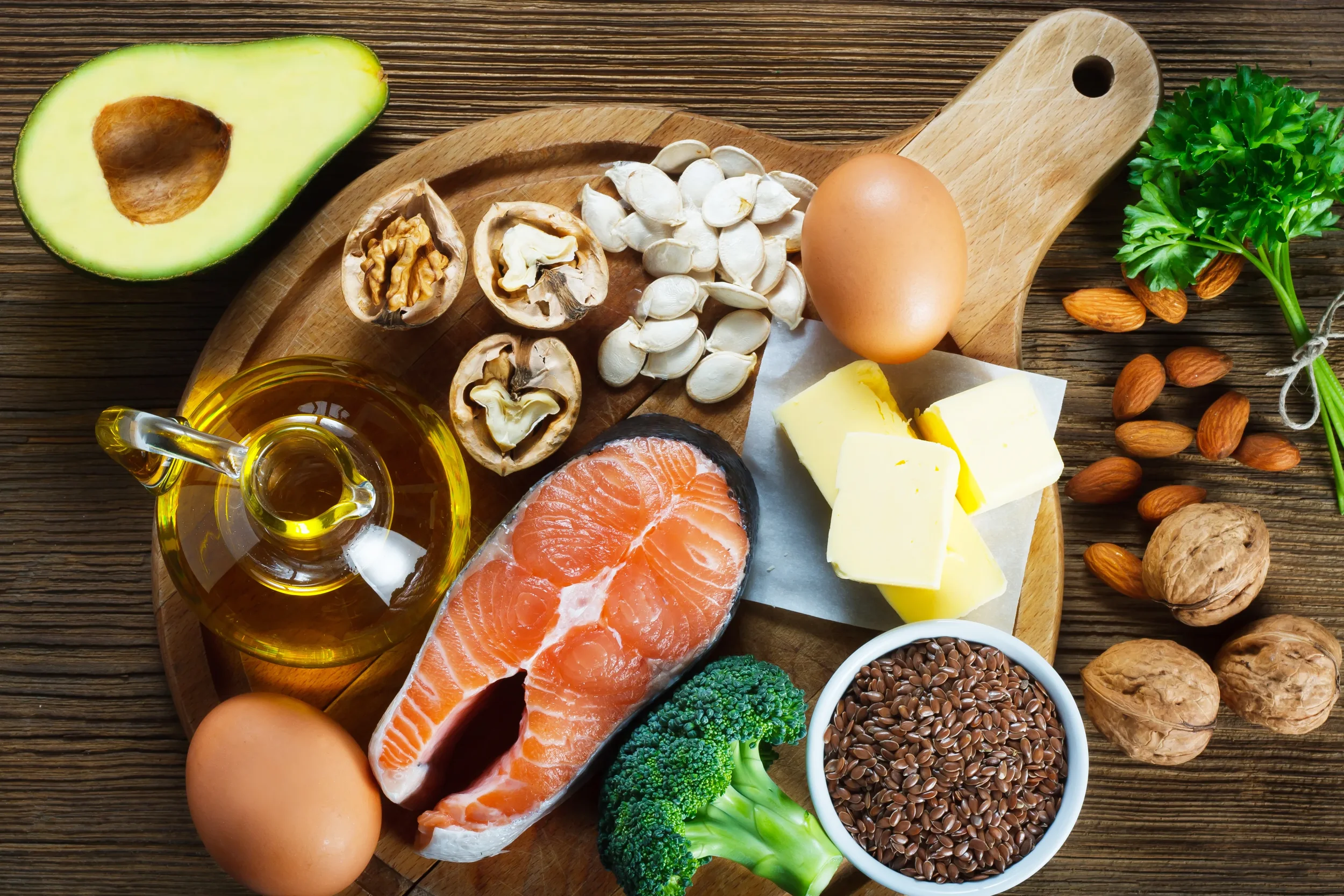
In addition, omega-3 fatty acids found in fish, flaxseeds, and walnuts possess anti-inflammatory properties that may lessen muscle soreness and accelerate healing. Research indicates that omega-3 supplementation can decrease markers of inflammation, such as C-reactive protein, and may even enhance muscle function during recovery (Dupuy et al., 2018).
Antioxidant-rich foods—particularly those containing vitamins C and E, polyphenols, and flavonoids—also support recovery by neutralizing free radicals generated during intense exercise. Including colorful fruits and vegetables such as berries, citrus fruits, leafy greens, and bell peppers provides a natural source of antioxidants that reduce oxidative stress and muscle damage without interfering with the body’s natural adaptation process.
Hydration, often underestimated, is equally vital for effective recovery. Water is essential for transporting nutrients, removing metabolic waste, and maintaining electrolyte balance within muscle cells. Even mild dehydration can impair muscle function, delay recovery, and increase the sensation of stiffness or cramping. Rehydrating with fluids that contain electrolytes—such as sodium, potassium, and magnesium—can restore balance and improve overall recovery efficiency, especially after heavy sweating or prolonged training sessions.
Ultimately, viewing nutrition and hydration as integral parts of your recovery strategy—not just additions to training—can make a substantial difference. Consistency in fueling the body with wholesome, anti-inflammatory foods and adequate fluids helps reduce soreness, support tissue repair, and prepare the muscles for future physical challenges.
5. Sleep and Stress Management
Sleep is the body’s most powerful and often most overlooked recovery tool. It is during sleep—particularly in the deep (slow-wave) and rapid eye movement (REM) stages—that the body engages in crucial processes of repair, regeneration, and adaptation. Adequate sleep promotes the release of growth hormone, a key regulator of muscle tissue repair, protein synthesis, and cellular recovery (Dupuy et al., 2018; Fullagar et al., 2015). Conversely, insufficient sleep has been associated with increased inflammation, impaired immune function, delayed muscle healing, and reduced athletic performance.
Most people who engage in physical activity are familiar with the dull ache that appears one or two days after a challenging workout. This phenomenon, known as delayed onset muscle soreness (DOMS), is a normal response to unfamiliar or intense exercise. While it can be uncomfortable, DOMS is not necessarily a sign of injury—it is part of the body’s natural adaptation and recovery process.

What Causes Muscle Soreness?
DOMS typically occurs after eccentric muscle contractions, in which muscles lengthen under tension—for example, lowering a dumbbell during a bicep curl or descending from a yoga pose such as Chaturanga. These movements create microscopic damage to muscle fibers, leading to inflammation, swelling, and temporary loss of strength (Cheung, Hume, & Maxwell, 2003).
This microtrauma stimulates the repair and strengthening of muscle tissue, meaning that soreness can be seen as a natural part of building resilience. Symptoms usually peak between 24 to 72 hours post-exercise and gradually subside as the body heals (Connolly, Sayers, & McHugh, 2003).
Evidence-Based Strategies for Relief
Although DOMS cannot be completely avoided, research supports several effective recovery strategies to ease discomfort and promote faster healing.
1. Active recovery
Gentle movement—such as light yoga, walking, or cycling—can improve blood circulation and help clear metabolic by-products from the muscles. Studies suggest that low-intensity activity can reduce soreness and stiffness by promoting oxygen and nutrient delivery (Dupuy et al., 2018).

2. Massage and foam rolling
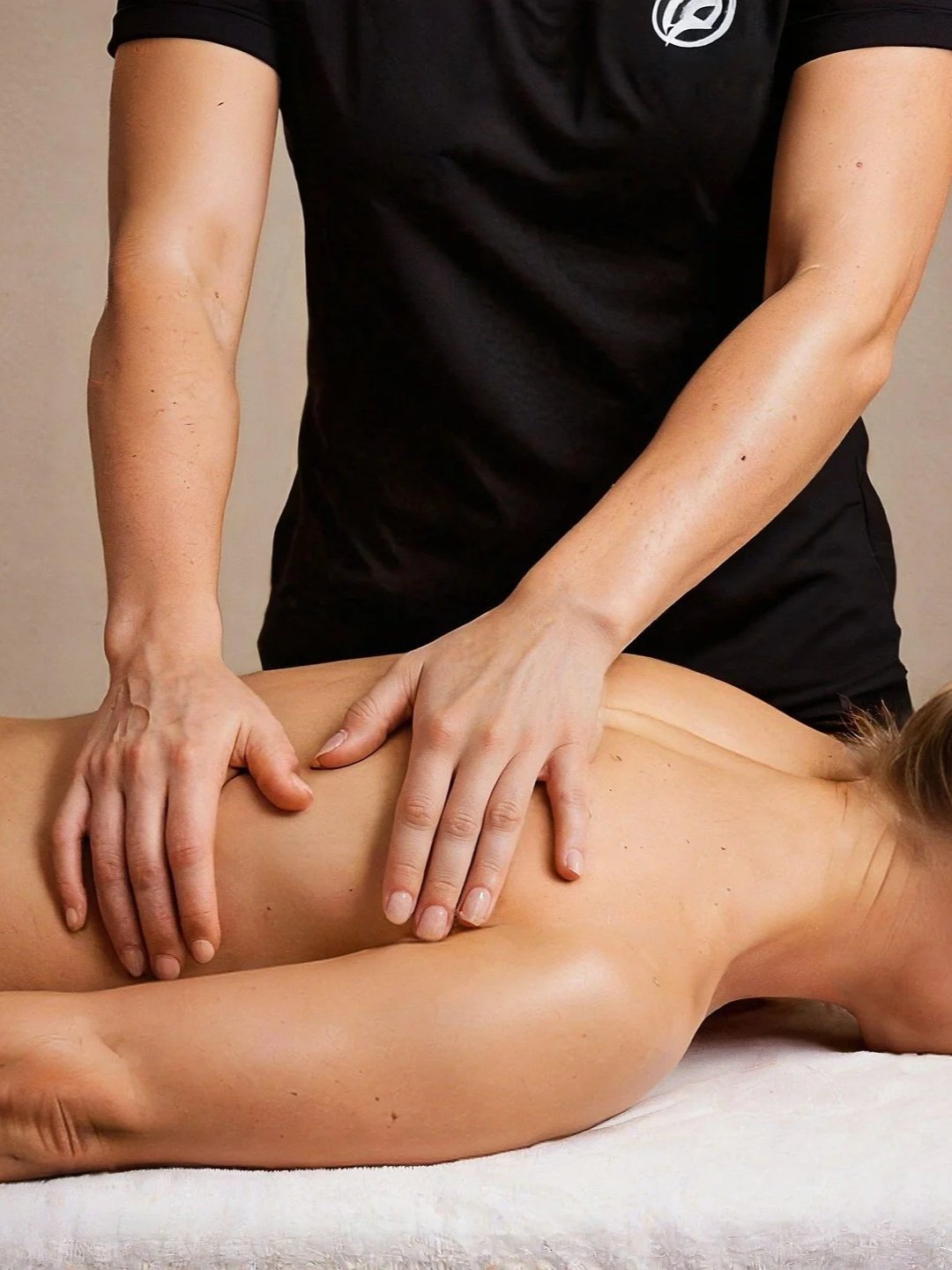
Both massage therapy and self-myofascial release (foam rolling) are supported by research as effective strategies for managing delayed onset muscle soreness (DOMS). Massage can reduce inflammation and accelerate healing by improving circulation, decreasing cytokine activity (Cytokines are signaling proteins that allow cells to communicate and regulate key processes like inflammation, immune responses, and cell growth or differentiation), and promoting lymphatic drainage (Zainuddin, Newton, Sacco, & Nosaka, 2005). Foam rolling, on the other hand, enhances flexibility and reduces muscle soreness without impairing performance (Pearcey et al., 2015).
In addition to these physiological benefits, both methods may positively influence perceived recovery and relaxation, which can help athletes and recreational exercisers return to training sooner. Regular use of foam rolling after workouts has also been associated with improved range of motion and reduced muscle stiffness, making it a valuable tool in both performance preparation and recovery phases (Wiewelhove et al., 2019).

3. Cold and contrast therapies
Cold-water immersion, or alternating between hot and cold exposure, is another evidence-based approach. A meta-analysis found that cold-water immersion can decrease muscle soreness and perceived fatigue following intense exercise (Hohenauer et al., 2015). However, excessive cold exposure immediately after strength training may blunt long-term muscle adaptations, so it should be used strategically.

4. Nutrition and Hydration
A balanced and nutrient-dense diet plays a fundamental role in muscle repair and recovery after exercise. Following strenuous activity, the body experiences microscopic muscle damage, increased inflammation, and oxidative stress—all of which require adequate nutritional support to restore homeostasis. Consuming the right nutrients at the right time can significantly influence how efficiently the body repairs and rebuilds muscle tissue (Dupuy et al., 2018).
Protein intake is particularly important, as amino acids serve as the building blocks for muscle regeneration. Studies suggest that consuming high-quality protein—such as lean meats, fish, eggs, dairy, or plant-based sources like tofu and legumes—within a few hours post-exercise enhances muscle protein synthesis and recovery. Combining protein with complex carbohydrates helps replenish glycogen stores and facilitates nutrient delivery to the muscles, reducing fatigue in subsequent training sessions.