The 5 Best Supplements for Bodyweight Training
When it comes to improving at bodyweight training, fueling your body with the right nutrients is essential. While a balanced diet is the foundation, supplements can help boost performance, accelerate recovery, and fill nutritional gaps.
Why Take Supplements for Bodyweight Training?
Supplements support muscle growth, repair, and endurance. They reduce soreness, help muscles recover faster, and provide key nutrients that might be difficult to get through diet alone. Using supplements alongside a consistent training routine ensures you reach your bodyweight training goals efficiently.
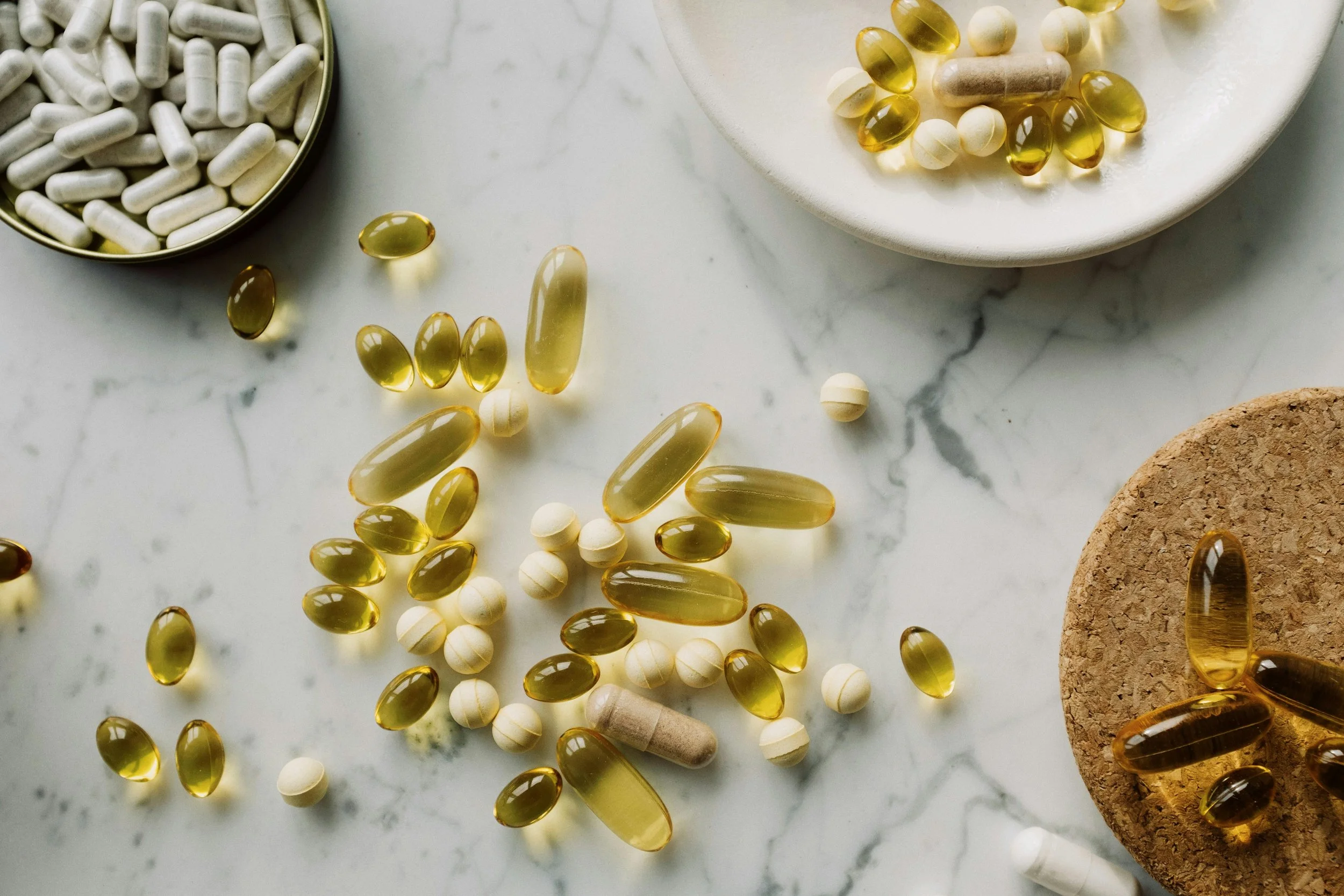
Top Supplements for Bodyweight Training
1. Collagen Peptides
Collagen peptides support joint health, flexibility, and muscle recovery. They provide amino acids crucial for connective tissue repair, helping prevent discomfort and improve mobility during bodyweight exercises (Clark et al., 2021).
2. Whey Protein
Whey protein is essential for muscle growth and recovery. Packed with amino acids and BCAAs, it accelerates muscle repair after intense bodyweight workouts, supporting strength and endurance (Tang & Phillips, 2015; Morton et al., 2018).
3. Creatine Monohydrate
Creatine boosts strength, power, and performance by increasing ATP production in muscles. It also supports muscle recovery and growth, making it a must‑have for anyone serious about bodyweight training (Kreider et al., 2017; Chilibeck et al., 2018).
4. Beta‑Alanine
Beta‑alanine helps buffer lactic acid in muscles, delaying fatigue during high‑intensity sets. This allows for more repetitions, longer workouts, and improved overall performance (Hobson et al., 2012; Saunders et al., 2017).
5. Caffeine
Caffeine enhances alertness, focus, and energy during workouts. It can help you push harder, train longer, and get more out of each bodyweight session (Grgic et al., 2020; Spriet, 2014).
Supporting Recovery with Supplements
Post‑workout recovery is just as important as training itself. Key supplements for recovery include:
Magnesium – reduces muscle tension, supports protein synthesis, and prevents cramps.
Omega‑3 Fatty Acids – combat inflammation, reduce muscle soreness, and speed recovery (Rodacki et al., 2012; Tartibian et al., 2011).
Creatine – restores energy stores and promotes faster muscle repair (Rawson & Volek, 2003).
Conclusion
The right supplements can make a real difference in bodyweight training. Collagen, protein, creatine, beta‑alanine, and caffeine support performance, while magnesium and omega‑3s help muscles recover faster. Used alongside a balanced diet and consistent training, these supplements can help you reach your strength, endurance, and recovery goals more efficiently.
References
Clark, K. L., et al. (2021). The effects of collagen peptide supplementation on body composition, collagen synthesis, and recovery from joint injury and exercise: A systematic review. Journal of Sports Sciences, 39(1), 29‑39.
Grgic, J., et al. (2020). Caffeine supplementation and exercise performance—an umbrella review of 21 published meta‑analyses. BMJ Open Sport & Exercise Medicine, 6(1), e000905.
Hobson, R. M., et al. (2012). Effects of beta‑alanine supplementation on exercise performance: A systematic review and meta‑analysis. Amino Acids, 43(2), 519‑533.
Kreider, R. B., et al. (2017). Safety and efficacy of creatine supplementation in exercise, sport, and medicine. Journal of the International Society of Sports Nutrition, 14(1), 18.
Morton, R. W., et al. (2018). A systematic review, meta‑analysis and meta‑regression of the effect of protein supplementation on resistance training‑induced gains in muscle mass and strength in healthy adults. British Journal of Sports Medicine, 52(6), 376‑384.
Rawson, E. S., & Volek, J. S. (2003). Effects of creatine supplementation and resistance training on muscle strength and weightlifting performance. Journal of Strength and Conditioning Research, 17(4), 822‑831.
Rodacki, C. L., et al. (2012). Fish‑oil supplementation enhances the effects of strength training in elderly women. American Journal of Clinical Nutrition, 95(2), 428‑436.
Tang, J. E., & Phillips, S. M. (2015). Maximizing muscle protein anabolism: The role of protein quality. Current Opinion in Clinical Nutrition & Metabolic Care, 18(1), 95‑101.